What you'll learn
- A strong resume system is iterative: tailor -> review -> improve -> submit -> learn from outcomes.
- Why Resume Best Practices Are High-Leverage
- Topic 1: Relevance Beats Volume
- Topic 2: Credibility Drives Trust
Why Resume Best Practices Are High-Leverage
Most candidates fail before a human review. Resume best practices are not cosmetic rules; they directly affect visibility, recruiter comprehension, and interview conversion.
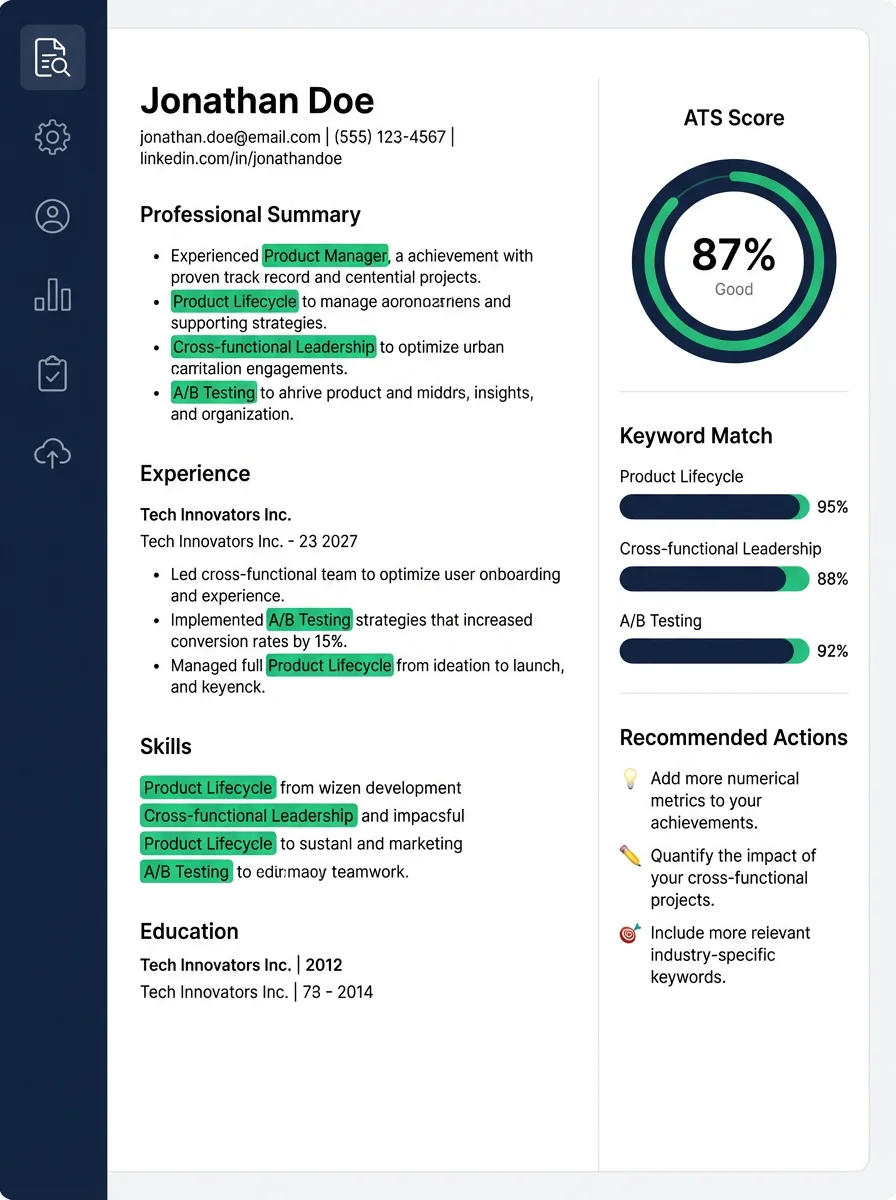
Topic 1: Relevance Beats Volume
- Why it matters: Recruiters scan quickly for role fit, not full career history.
- Best practice: Prioritize role-relevant evidence, then support depth.
- How Career Capybara helps: Tailored resume generation maps your strongest signals to each JD context.
Topic 2: Credibility Drives Trust
- Why it matters: Inflated claims can kill interview performance later.
- Best practice: Keep ownership claims and scope realistic.
- How Career Capybara helps: Review-and-edit loop lets you refine AI output before submission.
Topic 3: Structure Improves Parsing and Readability
- Why it matters: ATS systems and humans both prefer clear structure.
- Best practice: Consistent bullets, strong verbs, concrete outcomes.
- How Career Capybara helps: Optimizer and editor keep structure consistent across versions.
Topic 4: Iteration Compounds Results
- Why it matters: Resume quality improves through real feedback cycles.
- Best practice: Gather external review and apply changes fast.
- How Career Capybara helps: Share, feedback aggregation, and save-back workflow close the loop.
A strong resume system is iterative: tailor -> review -> improve -> submit -> learn from outcomes.
Related questions
Resume FAQ
Do I need a separate resume for every application?
Can I share a tailored resume for feedback before I apply?
What is the difference between a master resume and a tailored version?